Science
Which Icelandic volcano's 1783 eruption poisoned Europe's skies?
- Laki
- Hekla
- Katla
The answer is Laki. Famine followed across the continent.
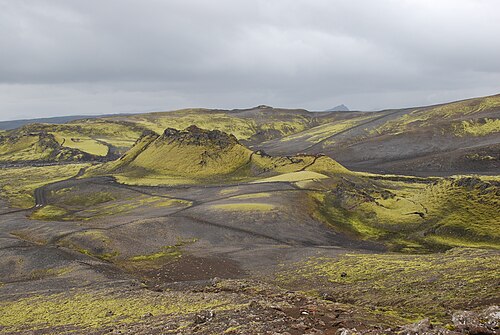
The Laki fissure - properly Lakagigar - opened on 8 June 1783 and did not stop for eight months. Some 130 craters along twenty-seven kilometres poured out around fifteen cubic kilometres of basalt, the largest lava flow in recorded history, together with an estimated 120 million tonnes of sulphur dioxide and a great deal of fluorine.
Iceland calls what followed the Moduhardindin, the Mist Hardships. Fluorine settled on the grass; the livestock that ate it died of skeletal fluorosis, and between half and three-quarters of the island's animals were lost. The famine that followed killed roughly a fifth of the Icelandic population. Denmark seriously discussed evacuating the island altogether.
The haze then crossed Europe. Gilbert White recorded a sun over Selborne that was red as blood, and Benjamin Franklin, then in Paris, wrote about the persistent dry fog and wondered aloud whether it had cooled the summer. The winter of 1783-84 was severe across the continent and North America, and harvests failed widely.