Geography
Which medieval Islamic scholar's Canon of Medicine taught Europe for centuries?
- Avicenna (Ibn Sina)
- Averroes
- Al-Razi
The answer is Avicenna (Ibn Sina). Ibn Sina — the Canon ruled until the 1600s.
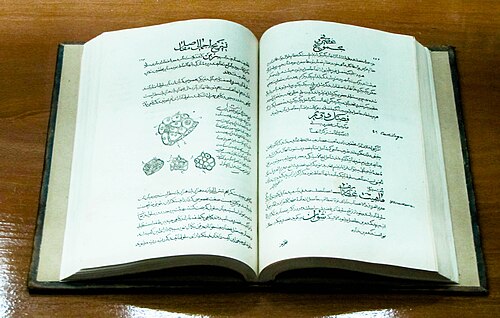
Ibn Sina, known in Latin as Avicenna, finished the Canon of Medicine around 1025. It is five books that take everything inherited from Greek medicine and everything added by Arabic physicians and impose an order on it - general principles, a materia medica of some 800 substances, diseases organised by the part of the body affected, compound remedies. What made it dominant was not novelty but architecture: you could look things up.
Translated into Latin in the twelfth century, it became the standard European medical textbook and stayed one for roughly five hundred years, still being taught at Montpellier and Louvain in the 1600s. That is a longer run than any medical text has managed since, and it was eventually displaced less by better books than by dissection and by the collapse of the humoral theory it was built on.
He was at least as important as a philosopher. His floating man argument asks you to imagine a person created fully formed, suspended in air, blindfolded, limbs apart, with no sensation of anything including their own body - and observes that such a person would still be certain they existed. That is six hundred years before Descartes sits down by his fire. His distinction between what a thing is and the separate fact that it is came through Latin translation into Aquinas and sits near the foundations of Western metaphysics.