Geography
Which Antarctic lake, buried under 4 km of ice, was drilled in 2012?
- Lake Vostok
- Lake Whillans
- Lake Ellsworth
The answer is Lake Vostok. Sealed for millions of years.
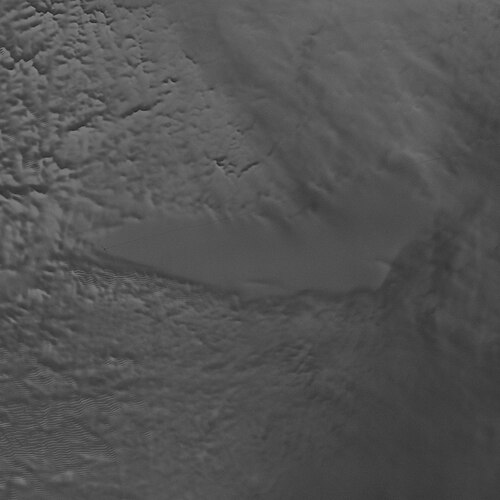
Lake Vostok sits under nearly four kilometres of East Antarctic ice, and it is not a puddle: roughly 250 kilometres long, about the area of Lake Ontario, and in places more than 800 metres deep. Nobody suspected it until radar surveys found a strangely flat, featureless reflection down there, and satellite altimetry confirmed that the ice surface above it was as level as a lake because it was floating on one.
It has probably been sealed off for something like fifteen million years, which is why it is interesting: liquid water, isolated, under crushing pressure and total darkness, is the nearest thing on Earth to the ocean under the ice of Europa or Enceladus. Russian teams drilled from 1989 and broke through on 5 February 2012 at 3,769 metres.
The result was messier than the headlines. The borehole had been kept open with about sixty tonnes of kerosene and freon, so the obvious worry was that anything found would be something we had brought. Water surged up the hole and froze, and the ice was analysed; early reports of thousands of novel DNA sequences were largely traced back to contamination. Vostok Station above it also holds the record for the lowest natural temperature ever measured on Earth, minus 89.2 degrees Celsius, and the ice core drilled there gave us 420,000 years of climate history.